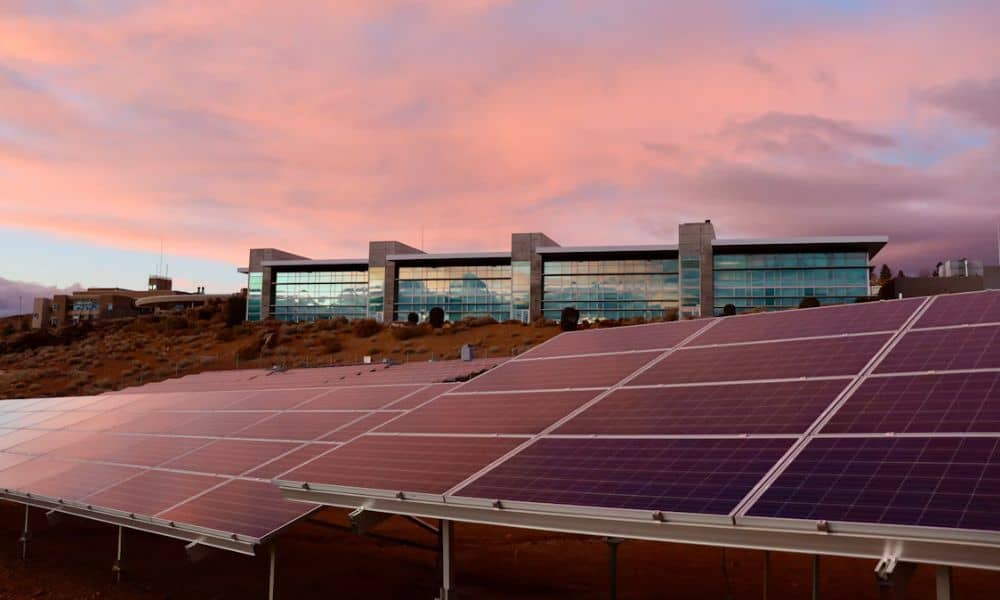
A solar easement can limit what you do with a commercial property for years. It may let a solar company keep panels on part of the land. It may let them run power lines across it. It may even stop you from building something that blocks sun from a neighbor’s panels. Before you buy, borrow or build, your ALTA survey should show where that easement sits and how it affects the rest of the site.
Arizona has many solar projects, from panels on warehouse roofs to large panel fields on open land. A lot of them sit on land tied to written, recorded agreements. The ALTA survey requirements for these sites follow the same national rules every ALTA survey uses. You, your lender and your title company can also ask for extra items. The big difference is how closely everyone needs to read the solar papers.
How Solar Easement Agreements Affect ALTA Survey Requirements
A solar easement shows up on an ALTA survey through the public records. Under the 2026 ALTA/NSPS rules, the surveyor shows easements found in the papers you hand over or the surveyor finds. The surveyor draws each one on the map when the papers give enough detail to place it. The rules don’t add a special step just for solar easements.
Most solar easements fit into two groups. A solar access easement protects the sunlight that reaches a set of panels. It often limits what the landowner can build or plant nearby. An equipment easement gives someone the right to put panels, power boxes, buried lines or a service road on part of the land. Each kind raises different questions for the surveyor.
The words in the agreement matter a lot. If the paper gives exact measurements or a clear sketch, the surveyor can draw the easement on the map. If the wording is vague or uses sun angles, the surveyor may only add a note about it. The ALTA rules let you and the surveyor agree on extra work for odd cases like this. Bring it up before the crew goes out to the site.
Locating Solar Easement Limits Against Property Boundaries
The survey should show where each solar easement starts and stops compared to your property lines. This tells you how much of the land you can still use. A thin strip along the back line is a small issue. A panel field across the middle of your building spot is a much bigger one.
The surveyor also checks the paper against what’s really on the ground. Panels, fences, buried pipes and service roads don’t always stay inside the area the paper describes. When you look over the survey map, check for:
- The outer edges of the easement drawn against your property lines
- Solar equipment or fences that sit outside the easement area
- Roads or paths the solar company uses to reach its equipment
- Places where the easement crosses onto a neighbor’s land
Ask the surveyor to label each easement with its record number. Your title company and attorney can then match each line on the map to the right paper. Without those labels, people end up guessing which paper goes with which line.
When Solar Access Restrictions Affect Proposed Building Heights
A solar access easement can limit how tall you build on part of a site. Many of these agreements keep a section of open sky clear above the land. That limit can apply to buildings, roof units, light poles, shade covers and even trees.
This matters most for builders who plan a new building, an extra floor or shade covers near existing panels. A shade cover that blocks sun from a neighbor’s panels could break the agreement. That can happen even if the city approves your plans. The survey can show where the easement sits on the ground and how tall current buildings are, if you ask for those items.
Turning sun angles into a real height limit takes some teamwork. You’ll need the agreement, the survey and your design team. The agreement sets the angles, the height limits and how long the rights last. Go over it with your attorney before you settle on a site plan.
Coordinating Solar Easement Details With Title and Survey Reviews
Your title report and your ALTA survey should match on every solar easement. The title report lists recorded items that affect the land. The surveyor reads those papers and notes on the map whether each one touches the property and whether it can be drawn.
Send the surveyor the full title report and copies of every paper it lists. Do this early. Solar deals often come with several papers, such as a lease, an easement, a short summary of the lease and later changes. These papers don’t always describe the same area. If the surveyor only sees the short summary, the map may miss details found in the full agreement.
This step is where problems often show up. An easement on paper might cover a strip the solar company never used. Panels might sit where no written right exists at all. Your title company, attorney and lender should see these issues while you still have time to act.
Resolving Survey Questions Before Commercial Property Closing
Fix open solar easement questions before you close. Your purchase contract still gives you room to ask for changes at this stage. After you close, the problem is yours, and the seller has little reason to help.
You have a few common fixes to choose from. You can ask the seller to get a corrected easement with clear measurements. You can ask the solar company for a signed letter that spells out its rights and duties. If a new paper gets recorded, the surveyor can update the map to match. Your lender may want certain items on the survey before it funds the loan, so ask about this early.
Survey updates take time. Getting a signature from an outside solar company can take even longer. Order the ALTA survey early so you have room to deal with anything it finds.
Frequently Asked Questions
Can a solar easement extend across multiple commercial parcels?
Yes. One agreement can cover several pieces of land. This often happens when one set of panels or one power line serves more than one property. The agreement’s description decides where it applies, and the ALTA survey shows where it crosses each surveyed lot.
Does an ALTA survey identify who maintains solar equipment?
Usually not. The solar agreement decides who takes care of the equipment. A survey maps what’s on the land and what’s in the records. It can show where the equipment sits and point you to the paper, but you’ll need to read the agreement to learn who handles repairs.
Can a lender request additional survey information for solar easements?
Yes. Each lender sets its own survey needs. A lender may ask for extra Table A items or a closer look at the easement area. Ask your lender what it needs before the survey starts, since adding items later can slow things down.