In a cold storage deal, the building is only half the asset. The other half sits outside: the truck court, the dock doors, the refrigeration yard, and the access that keeps trucks moving day and night. If any of that crosses a property line or depends on rights you don’t actually hold, the purchase can look very different. An ALTA title survey shows how those outdoor pieces line up with the boundaries and the title record before you close.
This guide is for investors and operators buying refrigerated warehouses and cold storage distribution centers. Lenders, title officers, and brokers will find their concerns covered too. It explains what the survey should capture, where problems tend to hide, and what to review before closing.
Property Boundaries Around Refrigerated Warehouses and Loading Areas
Cold storage buildings tend to fill their sites. Large footprints, deep truck courts, and trailer parking often push right up to the property lines. That leaves little room for error. A small boundary problem can affect dock access or trailer storage.
An ALTA title survey locates the boundary and shows where the building and paving sit in relation to it. It can reveal pavement, fences, or curbs that cross onto a neighbor’s land. It can also show a neighbor’s improvements crossing onto yours. Either situation may need a title fix or an agreement before closing.
Sites with past expansions add risk. Many cold storage facilities grew in phases, with new freezer space or docks added later. Those additions don’t always line up with recorded setbacks or old lot lines. Ask your surveyor to confirm how each phase sits on the land.
How an ALTA Title Survey Documents Access and Easements
An ALTA title survey plots the easements and rights listed in the title commitment and shows where they fall on the property. The title commitment is the title company’s report of what it will insure and what it lists as exceptions. Easements for utilities, drainage, access, or rail may cross the site. The survey shows whether any of them conflict with buildings, docks, or yards.
The survey also shows legal access to public roads. A site that relies on a private drive or a neighbor’s driveway needs recorded rights to use it. If those rights are missing or unclear, lenders and title companies may raise concerns. Catching that early gives you time to negotiate.
Ask the surveyor to note any visible use that doesn’t match the record. A worn truck path across a neighbor’s lot is a common example. Your attorney can then decide how to handle it.
Refrigeration Equipment Yards and Other Exterior Site Improvements
Cold storage depends on equipment outside the building. Condensers, compressors, backup generators, and fuel tanks often sit in yards along the walls. Some sites also have transformers, switchgear, or water treatment equipment. The survey should show where each of these sits.
Placement matters for several reasons:
- Equipment may sit inside a setback or easement area
- Equipment pads may cross a property line
- Utility lines feeding the yard may run through a neighbor’s land
- Fencing around yards may not follow the boundary
Table A items let the client add details beyond the basic standards, such as building measurements, visible utilities, and parking counts. Choose items that cover the equipment yards and utility features you care about most. Your lender may require certain items, and those needs vary by lender and deal.
Truck Circulation, Loading Docks, and Shared Access Rights
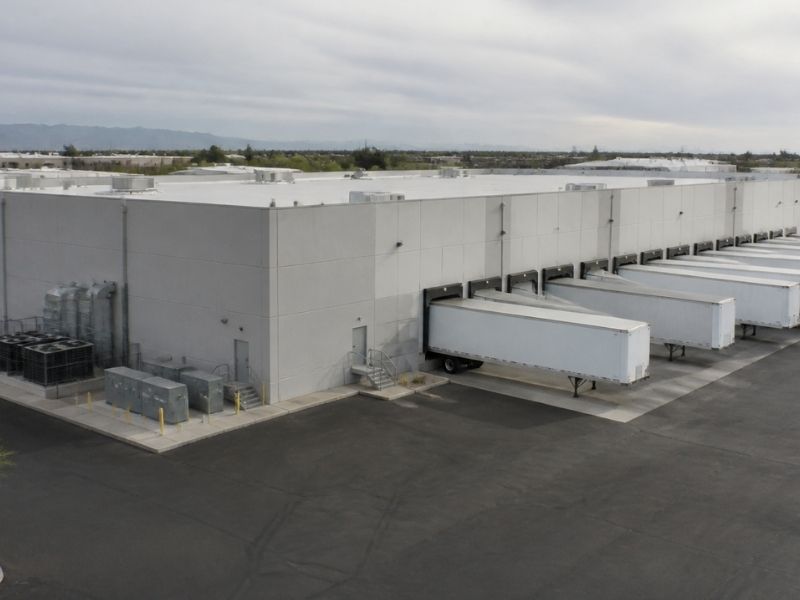
Trucks keep cold storage running. The site needs room to enter, turn, back into docks, and leave without blocking public roads. An ALTA title survey can map dock doors, truck courts, trailer stalls, and driveways. That gives buyers a clear picture of how the yard actually works.
Many distribution sites share access with neighbors. A business park may have a shared entrance road or a recorded reciprocal easement agreement. That agreement can set rules for using, maintaining, and paying for shared drives. The survey shows where those shared areas sit so you can compare them to the documents.
Questions to Ask About Shared Access
- Does the site have recorded rights for every drive trucks use today?
- Are shared roads wide enough for turning trucks?
- Are there gates or controls that a neighbor manages?
- Who maintains shared paving and drainage?
Bring these questions to your attorney and title officer once the survey is in hand. The survey supplies the physical facts, and the documents supply the rights. Both need to match before closing.
Survey Deliverables for Title Review and Cold Storage Acquisition
The main deliverable is the signed and sealed ALTA/NSPS survey map. It shows boundaries, improvements, easements, and the Table A items you selected. It also includes a certification to named parties, such as the buyer, lender, and title company. Getting those names right early prevents last-minute delays.
Other deliverables may include digital drawing files, PDF copies, and notes on each title exception. Some surveyors also provide a short memo listing issues they found, such as encroachments or access gaps. Ask what’s included before you sign the proposal.
Timing is often tight in industrial deals. Order the survey as soon as you have the title commitment, and share it with the surveyor right away. Allow time for at least one round of review and revisions before closing.
Frequently Asked Questions
Is an ALTA title survey required to buy a cold storage facility?
Not always, but most lenders and title companies ask for one on commercial purchases. It helps the title company remove or narrow survey-related exceptions. Even all-cash buyers often order one to understand exactly what they’re buying. Ask your lender and title company early what they require.
Which Table A items matter most for cold storage properties?
That depends on the site and the lender. Buyers often want building measurements, parking and trailer counts, visible utilities, and flood zone notes. Some also add zoning information or nearby road changes. Talk through the list with your surveyor and lender before work begins.
How long does an ALTA title survey take for a distribution site?
Timing depends on site size, available records, and how quickly the title commitment arrives. Large sites with many easements take longer to research and plot. Busy truck yards can also slow down field work. Build the survey into your due diligence schedule from day one.