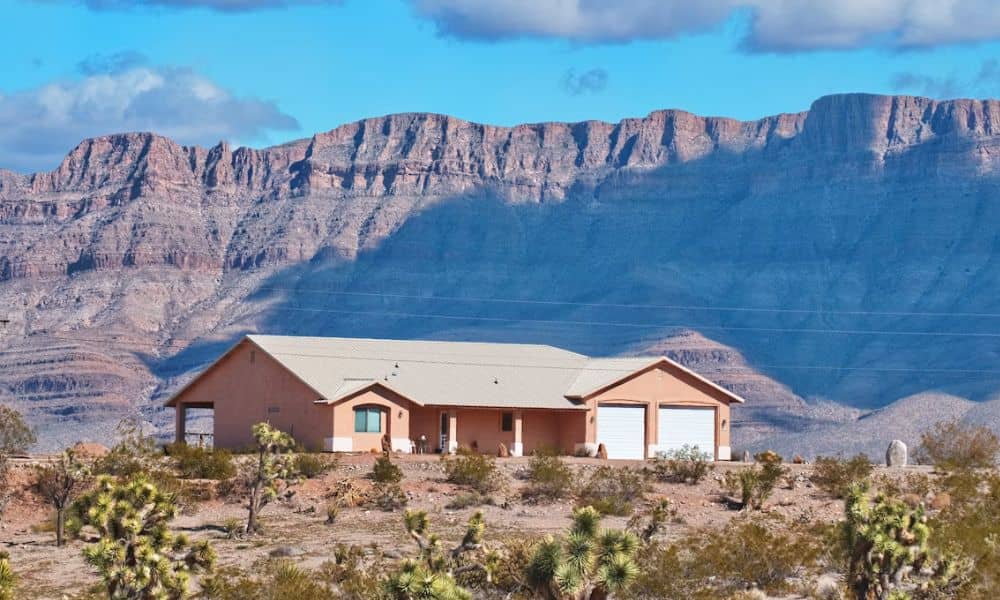
You found a home with open land, long views and its own private well. Your lender wants a mortgage survey before closing, and you want to know what that survey will tell you about the well. A mortgage survey gives the lender a drawing of the home and other improvements in relation to the lot lines in the loan file. The well can be part of that drawing, but only if the survey scope calls for it. Rural parcel shapes and separate state well records add a few more items to sort out before you sign.
Mortgage Survey Scope for Private-Well Home Parcels
A mortgage survey is a limited survey that a lender or title company requests to confirm where a home sits on the financed land. It typically shows the house, outbuildings, fences and driveways near the lines. It can also note visible signs of encroachments or easements. The exact list depends on the agreed scope, state standards and the lender’s instructions.
A private well adds a feature that a typical in-town lot doesn’t have. Some lenders want the wellhead on the drawing because the well supplies the home’s water and sits on the land that backs the loan. Other lenders never mention it. Ask your lender and title officer early whether the well, a pump house or a storage tank needs to appear, then pass that answer to the surveyor before fieldwork starts.
That early question saves time later. A surveyor who knows the well matters can locate it during the first site visit. If the request comes after the drawing is done, the crew may need to return to the property, and that can push your closing date.
How the Well Fits Into the Property Survey Drawing
When the scope includes the well, the surveyor measures the wellhead and ties its position to the property lines and the house. The drawing may mark the well with a symbol and give distances to the nearest lines. A well house or water tank can appear too when one exists on site. Those distances help the lender and buyer see that the water source sits inside the parcel the loan covers.
Buried parts of the system work differently. A surveyor locates features they can see or find on the ground. The water line from the well to the house, a pressure tank inside a shed and an old capped well from years ago often stay out of view. A mortgage survey won’t trace those items unless someone adds that work to the scope.
Pay close attention to where the well sits compared with the lines. A wellhead close to a line, inside an easement strip or across the line on a neighbor’s land raises questions for the lender and title company. The survey drawing is often the first document that puts that relationship on paper.
Rural Parcel Geometry Can Complicate Mortgage Surveying
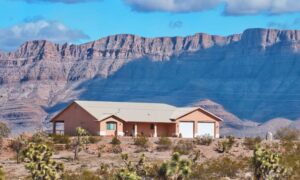
Rural land around Kingman often doesn’t follow the tidy rectangles of a city subdivision. Arizona uses the federal township and section system, so many older rural parcels carry legal descriptions based on fractions of a section. Other parcels came from later splits that cut a larger tract into smaller pieces, each with its own written description.
Those descriptions don’t always fit together cleanly. Old splits can leave slivers, overlaps or gaps between neighbors. Corner markers on large desert tracts can sit far apart, and some disappear over the years because of grading, washes or road work. Each of these conditions can add research and field time before the surveyor can place the house and well on the drawing with confidence.
Access can add another layer. A home on a dirt road may reach the public road across a neighbor’s land or a shared route. Ask the surveyor how the drawing will show the path to the house if that path crosses other parcels.
Coordinating Survey, Title, and Well Records Before Closing
Three sets of records meet at a closing on a private-well home. The title commitment lists recorded ownership and exceptions such as easements. The survey drawing shows measured field conditions. The state keeps a third record, since well registration numbers are unique identifiers that start with “55-” followed by six digits.
That registry has limits. The Arizona Department of Water Resources uses the well number to track ownership, location, pump capacity and use, but the agency keeps a registry and does not certify who legally owns a well. When ownership of the land holding the well changes, someone files form 55-71A with a $30 fee, a parcel map with an X at the well and a deed. ADWR says not to file it before the transfer because the deed must go with the form.
Before closing, gather these items and share them with your agent, lender and title officer:
- The well’s 55 registration number and a copy of its current registry record.
- The title commitment, plus any recorded easement tied to the well or water line.
- The mortgage survey drawing, even in draft form.
- Any written well-sharing agreement if the well serves more than one home.
If a neighbor draws water from the same well, the title company may look for a recorded agreement. The survey can show where the well sits. It can’t create or prove the right to share it.
Questions to Resolve When the Survey Drawing Is Delivered
Read the drawing as soon as it arrives rather than the day before closing. Start with the basics. Check that the legal description on the drawing matches the one in your title commitment, and confirm the well appears with distances to the nearest lines if your lender asked for it.
Next, read the notes. Surveyors often add remarks about corners they couldn’t find, features they couldn’t reach or conditions that need a second look. A note about a building crossing a line or the well sitting in an easement deserves a call to your surveyor before the file moves ahead.
Last, compare the well’s spot on the drawing with the state record. Registry locations often come from a hand-marked map or a general section reference, so small differences can appear. A large mismatch, such as a record that puts the well on a different parcel, calls for a conversation with the surveyor and title officer before you sign.
Frequently Asked Questions
Does a mortgage survey test the water from a private well?
No. A mortgage survey measures where things sit on the land. It doesn’t check water quality, flow rate or pump condition. Buyers who want those answers usually hire a well inspector or a certified water testing lab as a separate step.
Will a private well automatically appear on a mortgage survey?
Not always. The items a surveyor locates depend on the scope the client, lender and surveyor agree on, along with any rules that apply to that type of survey. If you or your lender want the wellhead on the drawing, say so when you order the survey.
Is a mortgage survey the same as a boundary survey for a rural parcel?
No. Many surveying firms treat a residential lot or mortgage survey as a different service from a full boundary survey. A boundary survey usually involves deeper research and recovering or setting corner markers. That difference matters more on larger rural tracts with older or split legal descriptions.