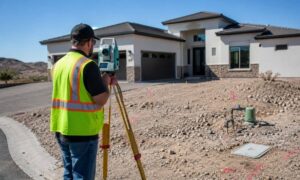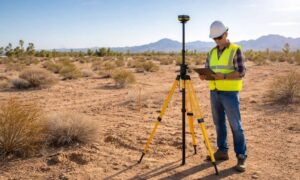
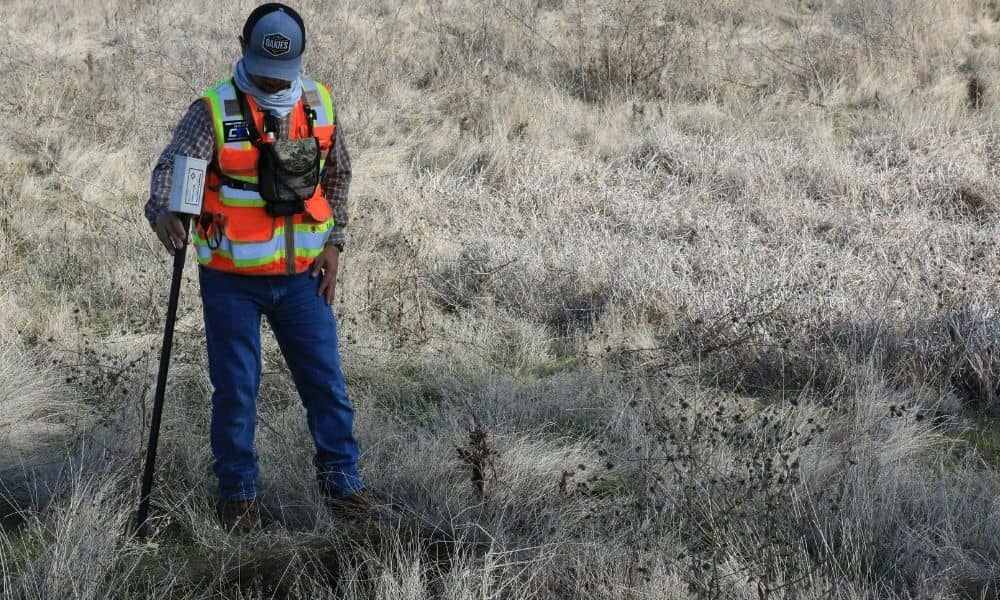
Phoenix keeps building. New homes go up. New stores open. Roads expand. Work moves fast, and crews stack one after another. At the same time, projects feel tighter than before. Costs climb. Schedules leave little room for mistakes. A small delay can ripple through the whole job. Because of that, builders in Phoenix have started to shift their timing. They now call a construction surveyor earlier in the process, not right before work begins.
That one change is helping them stay on track.
What changed for builders this year
The building used to allow some breathing room. Teams could adjust along the way. If something felt off, they could fix it later.
That cushion is gone.
Material prices move fast. Labor stays expensive. Crews stay booked. When one step slows down, the next crew waits. Then the job starts to slip.
At the same time, reviews and approvals can take longer. Plans may look clear, yet small issues still show up once work starts.
Because of that, builders want fewer surprises. They want to catch problems before they turn into delays.
So they moved one step earlier in the timeline.
The old timing vs what builders do now
Before, many builders would wait until the project felt ready. Plans were done. Permits were close. Then they would bring in a construction surveyor to mark the layout.
That approach worked when schedules had slack.
Now, waiting feels risky.
Builders now bring in a construction surveyor sooner. Sometimes that happens during early coordination. Sometimes it happens while plans are still being reviewed.
They are not rushing the job. They are trying to check the site before work locks in.
Why early survey work helps projects run smoother
A site can look simple at first. Flat ground. Open space. No clear issues.
Then work begins.
The slope feels steeper than expected. A layout line does not match the plan. A corner sits too close to something else. Crews stop and wait while teams sort it out.
That is where time gets lost.
When a construction surveyor looks at the site earlier, the team gets a clearer picture. They can compare plans with real conditions. They can catch small mismatches before they turn into bigger problems.
That early step helps crews move with confidence once work begins.
Why this matters more in Phoenix
Phoenix adds its own pressure to every project.
The ground may look flat, yet small elevation changes can affect drainage. A slight shift in layout can change how water moves across a site.
Crews also move fast in this market. One team finishes, and the next steps in right away. If one part stalls, everything behind it stacks up.
City reviews and inspections also play a role. If something changes late, it can slow things down again.
Because of that, builders want fewer last-minute adjustments. Early survey input helps them get closer to the right layout from the start.
What happens when survey work comes in too late
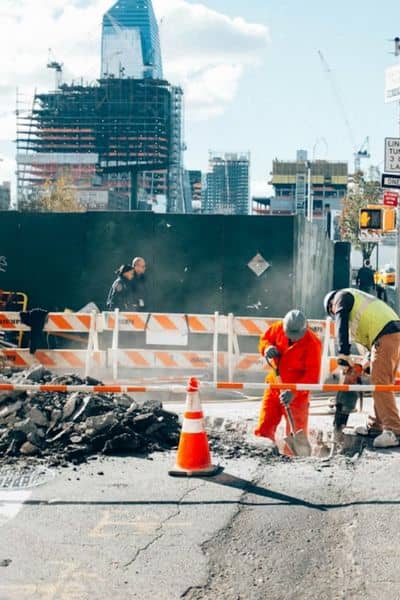
Late survey work creates tension on the job.
Crews arrive, but the layout is not ready. Work pauses. The schedule tightens. Everyone tries to catch up.
In some cases, parts of the site need to shift. That could mean moving lines, adjusting grades, or rechecking positions. Each change costs time and money.
It also creates stress between teams. One group waits on another. Deadlines start to feel unrealistic.
Builders have seen this happen enough times. That is why they changed their timing.
How builders are adjusting their process
Builders now bring a construction surveyor into the conversation earlier.
They use that input to check the site before crews arrive. They look for anything that does not match the plan. They confirm key points before work locks in.
This does not slow the job down. It often saves time.
When the layout makes sense from the start, crews can move without stopping. That keeps the project steady.
It also helps teams stay aligned. Contractors, engineers, and surveyors can spot issues together instead of reacting later.
What this means for property owners
This shift helps more than builders.
Property owners planning a project in Phoenix benefit from earlier survey input as well.
Projects feel more predictable. Budgets stay closer to plan. Fewer surprises show up during construction.
Instead of reacting to problems, the project moves forward with fewer interruptions.
That makes the whole process easier to manage.
Why timing matters more than before
A construction surveyor still does the same core work. They help define layout. They guide where things go on site. They support accurate building.
What changed is timing.
Builders no longer treat survey work as the last step before construction. They treat it as part of early planning.
That shift helps them deal with tighter budgets and faster schedules.
In a place like Phoenix, where projects move quickly and conditions can shift, that early step makes a clear difference.
Builders are not adding extra steps. They are moving one step earlier.
Calling a construction surveyor sooner has become a simple way to avoid delays, reduce stress, and keep projects moving the way they should.