Phoenix has grown fast over the past decade. As the city expands, many new homes rise near foothills, desert preserves, and mountain views. These areas offer beautiful scenery and quiet neighborhoods. However, many of these lots sit on uneven ground. Sloped land may look attractive, yet it can create real design challenges. Because of this, architects and builders often start with a topographic survey before they design a home. This survey helps them understand how the land rises and falls across the property. With clear elevation data, they can plan a home that fits the terrain instead of working against it.
For homeowners building in places like North Scottsdale, Paradise Valley, or Cave Creek, this step often makes the difference between a smooth project and a costly redesign.
Why Sloped Lots Are Common Around Phoenix
Many of the most desirable residential lots in the Phoenix area sit near mountains or desert preserves. Buyers choose these locations for the open views, natural desert scenery, and extra privacy.
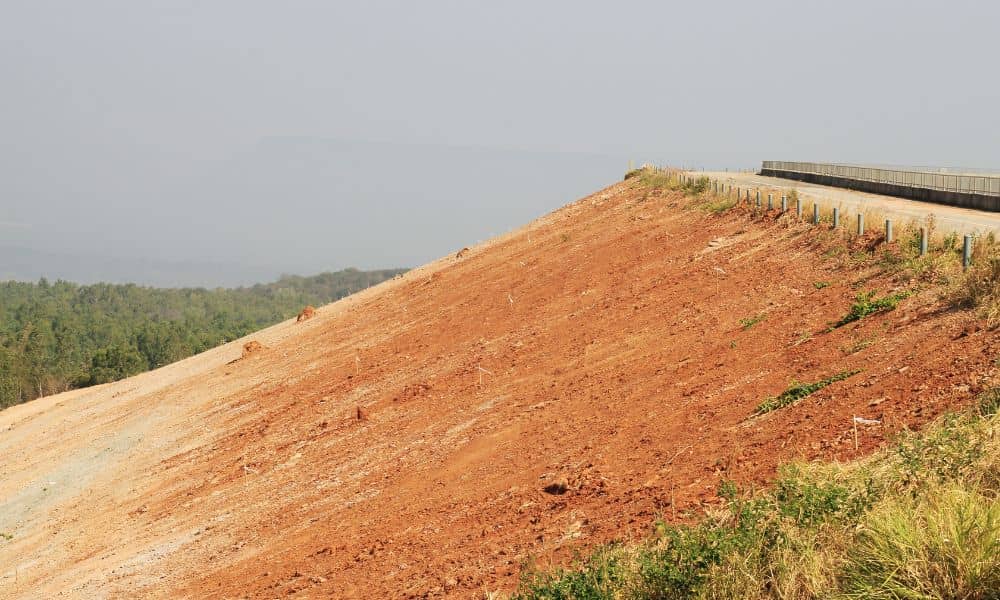
However, land near foothills rarely stays perfectly flat. Instead, the ground often slopes in different directions. Some areas rise gently toward the mountains. Others drop sharply toward desert washes.
At first glance, a lot may look level. Yet small changes in elevation across the property can affect how a home sits on the land. Even a few feet of difference can change driveway design, foundation placement, or outdoor living areas.
Because of this, architects and engineers need clear terrain data before they begin drawing plans. A topographic survey provides that information.
Positioning the Home Correctly on the Lot
One of the first decisions during home design is choosing where the house will sit on the property. On a flat lot, that choice is simple. On a sloped lot, however, placement becomes much more important.
A topographic survey creates contour lines that show how the land changes in height. These contour lines help architects see the natural shape of the property.
For sloped lots, having a topographic survey early in the process gives designers a clear picture of how the land rises and falls. With this information, they can choose the best spot for the house, whether that means placing it along a ridge to take advantage of the views or using the natural slope to create a stepped foundation.
This approach not only reduces the amount of grading work later on but also helps preserve the natural desert landscape around the home.
Without a survey, architects are left guessing, which can lead to costly mistakes down the road.
Driveway Design Depends on Elevation Data

Driveways may seem like a small detail during home design. Yet on a sloped lot, they can become one of the biggest challenges.
Most cities set limits on driveway slope for safety. If the driveway rises too steeply, vehicles may struggle to enter or exit the property. Emergency vehicles may also have trouble reaching the home.
Because of this, architects must carefully plan the driveway angle before construction begins.
A topographic survey gives the design team the elevation points needed to plan the driveway. They can determine the correct length, slope, and connection to the street.
For example, if the garage sits too high on the lot, the driveway might become too steep. However, if the garage moves slightly lower on the slope, the driveway can meet city rules more easily.
With accurate survey data, designers can solve these problems early instead of redesigning the property later.
Planning Retaining Walls and Outdoor Spaces
Many homeowners choose hillside lots because they want great outdoor spaces. Terraced patios, desert landscaping, and raised decks can take advantage of the surrounding views.
However, sloped land often needs support for these features. Retaining walls hold back soil and help stop erosion. Terraces create flat areas for patios and outdoor living spaces.
These structures require careful planning. Their height and location depend on the shape of the land.
A topographic survey shows exactly where the slope changes across the property. Engineers use this information to decide where retaining walls should go and how tall they must be.
As a result, outdoor spaces become both beautiful and stable.
Without that elevation data, contractors may place walls in the wrong spots. Fixing those mistakes later can cost a lot of money.
Managing Excavation and Foundation Design
Every home needs a strong foundation. On sloped lots, foundation design becomes more complex because the ground rarely sits at one level.
Instead of pouring a flat slab, builders often create stepped foundations. These foundations follow the slope of the land while keeping the structure level.
Before excavation begins, builders must know how much soil needs to be removed. Too little excavation can cause structural problems. Too much excavation can raise construction costs.
A topographic survey helps the builder plan how the foundation should step along the slope. It also helps estimate how much soil will move during construction.
Because of this information, contractors can prepare better budgets and timelines.
Designing Homes That Work With the Landscape
Modern desert home design often blends homes into the natural terrain. Instead of flattening the entire property, architects design homes that follow the land’s natural shape.
This approach offers several benefits. First, it protects the natural desert environment. Second, it reduces large grading work. Finally, it helps homes capture amazing mountain and desert views.
A topographic survey plays an important role in this process. It gives architects the information needed to shape the home around the land.
For example, they may design several floor levels that step down the slope. They may also place large windows toward the best views on the property.
Because the design follows the terrain, the finished home often feels more natural within the landscape.
When Homeowners Should Order a Topographic Survey
Homeowners should consider ordering a topographic survey early in the design process when they plan to build on uneven land. This is especially important when buying a hillside lot, designing a custom home near mountain preserves, or planning a large residential build on desert terrain.
By mapping the elevation early, the entire design team can avoid surprises. Architects can make better decisions with reliable terrain data. Engineers can fine-tune the structure’s details. Builders can provide more accurate construction cost estimates.
Understanding the land is essential for a successful project. When designing homes on sloped lots, knowing the exact elevation helps plan for everything from the driveway to the foundation. If you’re unfamiliar with the surveying process, it’s helpful to reach out to professionals who specialize in these types of surveys, as they can provide the data needed to plan your project effectively.
This early step helps homeowners avoid unexpected issues as construction progresses, ensuring the project moves forward smoothly without delays or costly changes.
Final Thoughts
Sloped lots around Phoenix offer some of the most beautiful home sites in Arizona. Mountain views, desert scenery, and quiet hillside neighborhoods attract many homeowners to these properties.
However, uneven land requires careful planning. Before architects design the home, they need to understand how the land rises and falls across the lot.
A topographic survey provides that important information. With clear elevation data, designers can place the home correctly, plan safe driveways, build strong foundations, and create outdoor spaces that work with the natural slope.
For homeowners planning a custom home on a hillside property, starting with a survey helps turn a challenging lot into a successful design.