Cities change over time. Roads grow wider. Zoning rules shift. Long-term plans are updated as communities grow. When this happens, many property owners think nothing will affect them unless construction starts nearby. That is not true. The first changes almost always happen on paper. This is why boundary surveys become so important during land use planning.
When a city revisits its land use plan, it quietly decides how land is labeled, used, and controlled. These decisions depend on existing property boundaries. If those boundaries are unclear, outdated, or wrong, the problem usually falls on the property owner—not the city.
Land Use Planning Starts Before You See Any Changes
Many people believe land use changes begin when crews show up and start building. In reality, the process begins years earlier. Cities study traffic flow, future growth, utilities, and long-term development goals well in advance. During this time, planners rely on maps, parcel records, and property boundaries.
Because of this, property lines affect decisions long before owners know their land is being reviewed. If a boundary is assumed incorrectly at this early stage, that mistake can stay attached to the property for a long time.
What Cities Review During Land Use Updates
When cities update land use plans, they look at more than zoning colors on a map. They also review how land works within the larger area. This includes how properties connect to roads, how lots are shaped, and how parcels link to utilities.
Boundary surveys matter here because they define the legal edge of a property. Without clear boundaries, planners may rely on older plats or digital maps that do not match real conditions on the ground.
As a result, a small boundary issue can turn into a larger planning problem.
Why Boundary Accuracy Matters in Planning
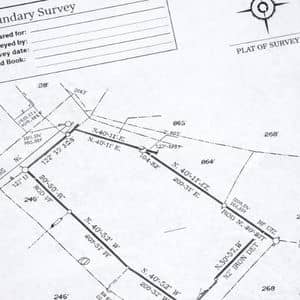
Every planning decision starts with a simple question: where does one property end and the next one begin? Once that is decided, cities can determine how land may be used, limited, or accessed.
Boundary surveys provide legal proof. They confirm true property lines using recorded documents and physical evidence. Without this proof, cities may assume boundaries that support public access, future roads, or utility lines.
Once these assumptions appear in official planning documents, changing them becomes much harder.
The Risk of Using Old Records for New Plans
Many properties rely on surveys completed many years ago. At the time, those surveys may have been accurate. However, conditions change. Markers can move. Roads shift. Neighborhoods grow.
When cities revisit land use plans, they often pull existing records without checking current boundary conditions. If those records contain errors, planning decisions may rely on incorrect information.
Boundary surveys protect property owners by confirming legal limits before new plans are finalized. This helps stop mistakes before they become permanent.
How Boundary Surveys Help Property Owners Early
Boundary surveys act as clear evidence. They show exactly what land you own and where your rights stop. During planning reviews, this clarity matters more than visual clues like fences or landscaping.
For example, boundary surveys help make sure:
- Buildable areas are measured correctly
- Frontage is calculated the right way
- Access points are labeled accurately
- Property limits are not guessed or assumed
Because of this, surveys give owners a stronger position before city plans are finalized.
Planning Decisions Are Hard to Change Later
Once a land use plan is adopted, it guides future decisions. Permit reviews, approvals, and interpretations all refer back to that plan. If a boundary issue is discovered later, fixing it often takes extra time and review.
At that point, the responsibility falls on the owner. What could have been confirmed early may now cause delays, redesigns, or limits on how the property can be used.
Boundary surveys help avoid this by confirming accuracy before plans become official.
Why This Matters
In desert cities, land use planning often moves faster than visible development. Large parcels, older subdivisions, and fewer physical markers make boundary assumptions more likely.
Many properties rely on older descriptions that no longer match current conditions. Boundary surveys help close that gap by aligning legal records with what exists today.
For property owners, this clarity matters whether the land is being developed now or held for future use.
When Property Owners Should Consider a Boundary Survey
Boundary surveys are most helpful when planning activity begins nearby. Public notices, zoning meetings, or infrastructure studies often signal upcoming changes.
Owners involved in early development talks or planning reviews also benefit from having confirmed boundaries. In these moments, surveys support better decisions and clearer communication with city planners.
Waiting until plans are finalized limits options.
Boundary Surveys Are Not Just for Disputes
Many people think boundary surveys are only needed when problems arise. In planning situations, surveys serve a different purpose. They help prevent issues before they happen.
By confirming boundaries early, owners make sure their land is shown correctly in public records and planning documents. This protects future use, value, and flexibility.
Planning Moves Forward With or Without You
Cities continue planning whether property owners are involved or not. Land use updates do not pause for clarification.
Boundary surveys give owners confidence that their land is understood correctly during planning reviews. They reduce risk, prevent false assumptions, and protect long-term property rights.
When cities revisit land use plans, knowing your true boundaries is not just helpful. It is essential.