If you are buying commercial property in Arizona, you may have heard that 2026 brought important changes to the alta land title survey standards. At first, the update may sound technical. However, one part affects closings more than most people expect: how encroachments must be reported.
Encroachments may seem small. A fence sits slightly over a line. A wall extends a few inches too far. Yet in commercial real estate, even small boundary problems can turn into serious issues. That is why the 2026 update tightened the rules.
Why Encroachments Now Get More Attention
An encroachment happens when a structure crosses a property line without legal permission. It could involve a building corner, a roof overhang, a wall, or even pavement. Sometimes it involves shared parking areas or older buildings built many years ago.
In the past, survey drawings sometimes showed buildings close to boundaries but did not clearly say whether they crossed the line. That caused confusion. Buyers, lenders, and title companies often had to ask questions. As a result, deals slowed down.
The 2026 standards aim to remove that confusion. Instead of leaving room for guessing, the updated rules require clearer labels and measurements. In simple terms, the alta land title survey must now speak more clearly.
What Changed in 2026
The update did not change the basic purpose of an alta land title survey. However, it changed how surveyors must show what they see in the field.
First, surveyors must clearly label observed encroachments. If a wall crosses the property line, the drawing must say so.
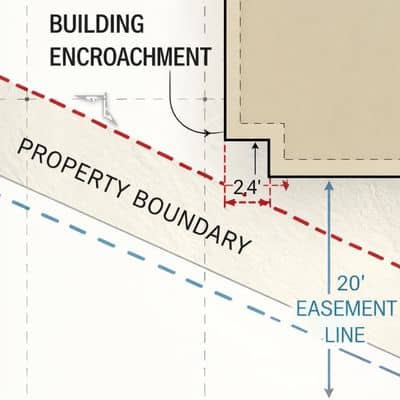
Second, the survey must show exact measurements of the overlap. Instead of rough placement, the drawing must include numbers that show how far the structure crosses the boundary.
Third, the standards stress the difference between physical facts and legal opinions. The surveyor shows what exists on the ground. Attorneys and title officers decide what it means legally.
Because of these changes, the alta land title survey now provides clearer information for everyone involved.
Easements vs. Encroachments
Many buyers mix up easements and encroachments. However, they are not the same.
An easement gives someone the legal right to use part of your land. For example, a utility company may have the right to place lines across a property.
An encroachment happens when a structure crosses into land without that legal right. For example, if a building extends into a neighbor’s lot, that creates a boundary problem.
The 2026 standards require surveyors to clearly separate these two things. If a building sits inside an easement, the survey must show both the easement and the building. If a building crosses a property line, the survey must label it as an encroachment.
This clear separation helps avoid confusion during closing.
How Encroachments Must Appear on an Alta Land Title Survey
Under the new rules, clarity matters most.
If a structure crosses a boundary, the survey must show the boundary line clearly. It must also show exact measurements of how far the structure crosses the line. A reader should not need to guess.
If improvements sit inside an easement area, the survey must show the easement limits and the location of the improvement. This helps lenders and title officers understand possible risks.
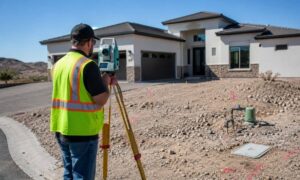
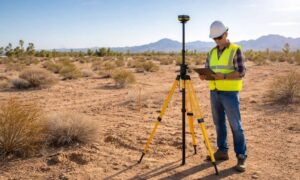
The survey must also show visible signs of occupation. Fences, driveways, or landscaping may extend beyond the legal boundary. Even if the deed does not mention them, the survey must show what exists on the ground.
That level of detail gives buyers better information before they close.
Why This Matters in Lake Havasu
Lake Havasu has older commercial buildings, waterfront lots, and properties near busy highways. Because of this mix, boundary conflicts can happen more often than people think.
Shared parking lots may stretch across two parcels. Older walls may not match modern property lines. Waterfront structures may sit close to lot corners.
Under the 2026 rules, the alta land title survey must clearly show these conditions. Buyers can see possible issues early instead of discovering them after closing.
The Role of Table A in Encroachment Reporting
Many commercial deals include optional Table A items. One item focuses on evidence of encroachments.
When selected, this item requires the surveyor to provide more detail about observed conflicts between buildings and boundaries. However, the surveyor does not give legal advice. The surveyor reports what they see.
When chosen correctly, these options make the alta land title survey even more useful. Clear choices early in the process reduce problems later.
How the 2026 Update Helps Closings Move Smoother
Although the update requires more detail, it actually helps transactions move faster.
Clear drawings reduce back-and-forth questions. Lenders can review risks sooner. Attorneys can address concerns before closing day.
Instead of finding problems at the last minute, the team can solve them during normal review. That saves time and lowers stress.
A Clearer Path Forward
Encroachments no longer sit quietly in the background of a commercial deal. The 2026 update makes sure they appear clearly on every alta land title survey.
For buyers and developers, this clarity builds confidence. You see what stands on the land. You understand how it relates to legal boundaries. Then you can make better decisions before signing final papers.
In the end, the alta land title survey does more than show lines on a map. It connects what exists on the ground with what appears in the records. Thanks to the 2026 standards, that connection is now clearer and stronger than before.