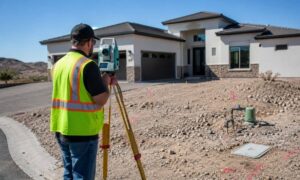
Developers feel a new kind of pressure right now, and it started with the city’s latest land-use hearings. In fact, many are ordering a topographic survey as one of their first steps. The city postponed a major hearing involving about 90 acres on the former Island Golf Course, and that delay set off a wave of activity behind the scenes. Instead of slowing things down, the postponement actually pushed developers to move faster. They want their projects ready before the next round of reviews, and that means getting accurate site data as soon as possible.
This sudden urgency isn’t only about zoning. It’s also tied to the bigger story happening across the Colorado River basin. Recent reports say water levels in Lake Mead and Lake Powell rose a bit, yet experts warn the long-term supply is still below safe margins. When water stays uncertain, land-use rules often tighten. Because of this, developers want to stay ahead of any new restrictions that might affect building locations, grading plans, or even how much land they can disturb.
With so much happening at once, the topographic survey has become the key tool for developers who want to move forward and avoid delays.
Lake Havasu’s Rezoning Delay Created a New Deadline
The land in question—a large waterfront parcel on the island—could shift from open space to resort, mixed-use, and residential zoning. This is one of the most valuable areas left for major development in Lake Havasu. When the city postponed the hearing, developers realized something important: the next meeting could become competitive.
Developers who show up with complete data, including current elevation and slope details, stand out. They can present stronger concepts to the Planning & Zoning Commission. They can also answer detailed questions without guessing. Because of this, many teams are turning to surveyors now, not later.
A topographic survey gives them an edge. It helps them design realistic early site plans, prepare visual studies, and show the city that they understand the land’s challenges. In a busy development cycle, being the most prepared group matters.
Water-Management Pressure Adds Even More Urgency
Even though rain helped raise reservoir levels this year, water managers say the future is still uncertain. That warning affects Arizona cities, including Lake Havasu. When water becomes harder to guarantee, local governments tend to adjust rules. This might include tighter setbacks, stricter grading plans, or limits on how steep slopes can be altered.
Developers know that once new rules appear, they can change project timelines or cost estimates. Because of that, they want to collect accurate terrain information early. A topographic survey helps them understand what the land can support before outside factors shape the project for them.
While zoning rules may shift, good data stays valuable. That’s why developers want surveys done now, while they still have room to plan with confidence.
A Topographic Survey Helps Developers Present Stronger Plans

A rezoning request is more than a simple form. City officials want to see the logic behind a project, including how it sits on the land. If a developer arrives with outdated or missing terrain information, reviewers cannot make solid decisions. This slows everyone down.
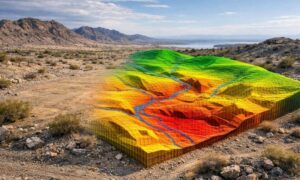
A current topographic survey solves that. When surveyors collect fresh elevation data and pull everything together through detailed site mapping services, developers get a clear understanding of how the land actually behaves. They can see:
- How steep certain areas are
- Where road access works best
- Which areas are easy to build on
- Where grading might be expensive
- How the natural land will shape the development
Since the parcel was once a golf course, developers cannot rely on old grading assumptions. The land might have slopes, dips, or drainage patterns that no longer match past designs. When the land use changes from open space to something more complex, planners need real numbers.
With accurate survey data, developers can prepare concept maps that look realistic and trustworthy. This makes the rezoning conversation smoother and helps the city feel confident in moving a project forward.
Delaying Could Put Developers at a Disadvantage
Timing plays a big role here. Developers who wait risk falling behind others who already started their survey work. When the hearing returns to the agenda, the competition may be stronger. Teams with full site details can answer questions right away and show that their ideas match the terrain.
Those who delay face several problems:
They bring incomplete proposals. They need more revisions. They struggle to adjust quickly when the city asks for changes. They miss chances to make a strong first impression.
A topographic survey also prevents costly redesigns later. If a developer discovers slope problems too late, the entire layout might need to be redone. Early survey data avoids surprises and keeps the project moving.
Why Waterfront Land Makes Surveying Even More Important
This parcel sits in a special location near the water, and that creates extra challenges. The terrain around Lake Havasu changes more than people think. Slopes can affect views, access points, parking layouts, and building placement. A professional survey shows which parts of the land support heavier construction and which areas work better for open space or amenities.
Developers often want to highlight lake views or create walkable resort paths. Both require good elevation planning. Without current terrain information, it becomes difficult to design buildings that sit naturally on the land instead of fighting against it.
Because waterfront projects can attract tourism and long-term residents, developers want to get the layout right. A topographic survey helps them do that with confidence.
What Developers Should Expect From a Rezoning-Focused Survey
This type of survey gives more than simple contour lines. For rezoning and early planning, developers can expect:
- Slope analysis for identifying buildable areas
- Early cut-and-fill estimates
- Information for road and emergency access planning
- Terrain insights for visual studies and view protection
- High-level grading impacts for concept layouts
These details help teams prepare site sketches that match reality. They also help developers talk with engineers, architects, investors, and lenders using accurate information, not guesswork.
Acting Now Gives Developers a Clear Advantage
Lake Havasu is entering a new phase of growth. Because the rezoning hearing will return soon, and because water-management discussions continue across the region, this is the moment for developers to prepare. A topographic survey gives them the early data needed to build strong proposals, reduce risk, and present a complete vision to the city.
In the months ahead, the developers who moved early will be in the best position. They will have solid site information, fewer delays, and more control over their project timelines. With accurate terrain data, they can design with confidence and help shape Lake Havasu’s next wave of development.
If you plan to develop, the smartest move is simple: get the survey done now so you’re ready when the city is.