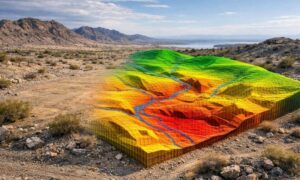
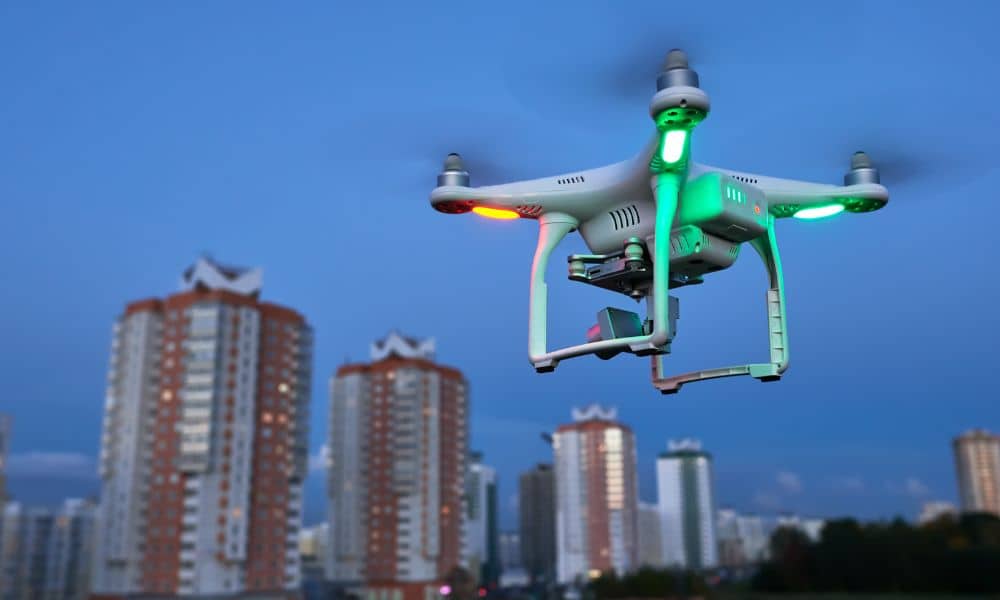
Phoenix has always had to plan ahead. The city keeps growing, the land is tough, and the weather can change fast. Because of this, mistakes can be costly. What’s changing now is not just how Phoenix plans—but how quickly it needs answers when conditions shift. That need for speed explains why LiDAR Mapping is getting more attention. As real-time aerial response programs expand, the city is starting to rely on live aerial data during active situations, not weeks later. This marks a clear change in how land, infrastructure, and public safety decisions are made.
Instead of using LiDAR mapping only in offices and planning meetings, Phoenix is beginning to use it as a real-time tool. It now supports decisions while events are happening, not after they are over.
Phoenix Is Shifting from Static Maps to Real-Time Awareness
Phoenix covers a huge area, and no two parts of the city are exactly the same. Conditions can change quickly, especially during storms or extreme heat. In the past, teams often relied on existing maps or reports. While helpful, those tools could fall behind what was actually happening on the ground.
Real-time aerial response programs help close that gap. Updated elevation and surface data can be collected quickly, giving teams a clearer view of current conditions. This allows them to make decisions based on what is happening now, not what happened weeks ago.
Because of this, teams can act sooner and with more confidence. Instead of reacting after problems grow, they can respond earlier and with better information.
Why Real-Time LiDAR Mapping Fits Phoenix’s Environment
Phoenix faces challenges that demand fast and accurate data. Monsoon storms can overwhelm drainage systems with little warning. Washes that look dry in the morning can flood by the afternoon. At the same time, wildfires can move quickly near growing neighborhoods.
When data is outdated, it becomes a risk. Real-time LiDAR mapping helps reduce that risk by showing changes in terrain and elevation as they happen. This makes it easier to understand where water might flow, where access could be limited, and which areas face the most danger.
Because these challenges happen often, faster data is not just useful—it is necessary.
How This Shift Affects Development and Infrastructure Projects
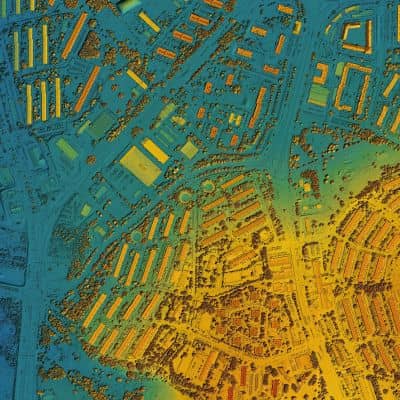
Although real-time aerial response programs often focus on public safety, their impact goes much further. When cities begin using faster and better data, expectations change for private projects as well.
Developers, engineers, and consultants now work in an environment where accurate land data is expected early. As a result, potential problems show up sooner. Drainage issues, grading limits, and access challenges become clearer before construction starts.
This early understanding helps projects move more smoothly. It reduces redesigns, limits delays, and lowers the chance of unexpected costs later on.
From Emergency Use to Everyday Decision-Making
New tools often enter the industry during emergencies. Over time, they become part of normal work. LiDAR mapping in Phoenix is following this same path.
As real-time aerial response programs prove their value, faster data becomes the new normal. Planning, permitting, and development processes begin to reflect that change. Decisions rely more on real ground conditions and less on guesswork.
For a growing city like Phoenix, this shift supports smarter growth. It helps projects move forward with fewer surprises and better coordination between public agencies and private teams.
What This Means for the Future of LiDAR Mapping
Phoenix sits at the center of fast growth and environmental pressure. Because of this, new approaches tested here often influence other cities. As real-time aerial response programs continue to expand, LiDAR mapping will likely play an even bigger role in managing land and infrastructure.
The key takeaway is simple. LiDAR Mapping is changing. It is no longer used only to study land after the fact. It is becoming a real-time tool that supports faster responses, better coordination, and safer outcomes.
For anyone involved in land development, infrastructure planning, or site analysis, this shift matters. It shows where expectations are heading and how better data is becoming part of everyday decisions. In a city where timing can matter as much as accuracy, LiDAR mapping is stepping into a larger and more important role.