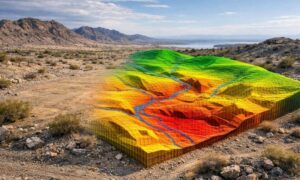
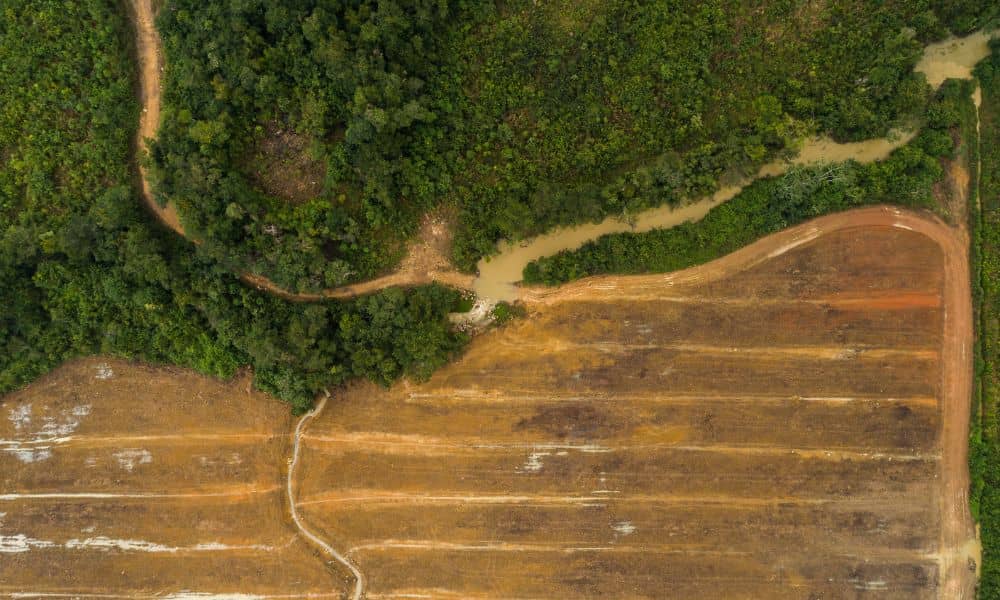
Drone land surveying is no longer a future idea—it is already changing how land gets measured in places like Bullhead City. Across desert cities, growth is moving faster than traditional surveying methods can handle. As a result, surveyors, developers, and property owners are turning to drones to keep projects moving. This shift is not about trends or hype. Instead, it is about speed, scale, and smarter decisions in tough environments.
Bullhead City sits in a unique position. It has wide-open land, uneven terrain, and growing interest from builders and investors. Because of that, surveying work often covers large areas under harsh desert conditions. Traditional methods still matter, but they no longer work alone. Drone land surveying fills the gap.
Growth Is Moving Faster Than Old Workflows
Over the last few years, desert cities have changed quickly. New subdivisions, utility projects, and land sales now happen at a faster pace. At the same time, parcels are getting larger and more complex. However, traditional ground-only surveys still rely on long field days and repeated site visits.
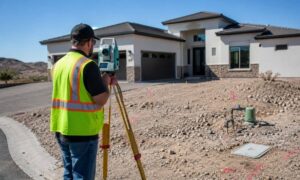
In desert areas, those challenges grow even bigger. Survey crews deal with heat, rough ground, and long boundary lines. Walking an entire site can take days. Moving equipment across uneven land slows progress even more. As a result, timelines stretch, and early decisions get delayed.
Because of this pressure, many projects now start with drone land surveying. Drones give surveyors a complete view of the land early in the process. Instead of guessing or waiting, teams see the full picture right away.
What Drone Land Surveying Changes—and What It Doesn’t
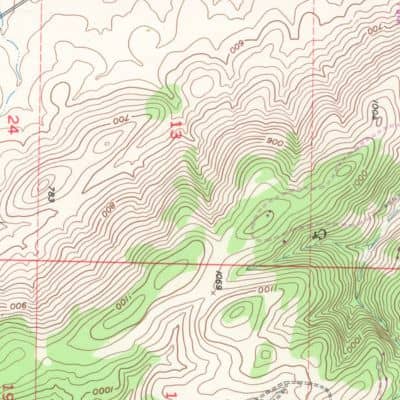
Some people think drones replace surveyors. That is not true. Licensed land surveyors still control accuracy, verify data, and sign off on results. What changes is how data gets collected.
With drones, surveyors capture aerial images and elevation data in a single flight. Then, they combine that information with ground control points. This approach reduces repeated walking and cuts down on unnecessary site visits. More importantly, it gives surveyors better context before they focus on details.
Traditional surveys measure points one section at a time. Drone land surveying starts with the whole site. Because of that, surveyors spot challenges early instead of discovering them late.
Speed Is Now a Requirement, Not a Bonus
In fast-growing cities, speed matters more than ever. Developers want answers early. Property owners want clarity before they commit. Designers need reliable data at the start, not halfway through a project.
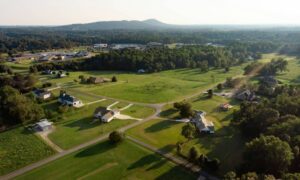
Drone land surveying supports that need. A single flight can capture data for dozens or even hundreds of acres in hours instead of days. For large sites, this has quietly changed how teams approach early planning, especially when traditional fieldwork would take weeks. Having surveying solutions for large properties available early allows surveyors to focus on analysis instead of spending valuable time just covering ground.
For example, knowing slopes, access routes, and land shape early can change how a project moves forward. When teams wait too long for that information, they risk redesigns and delays. Drones help avoid that problem.
Why Desert Cities Adopt Drones Faster
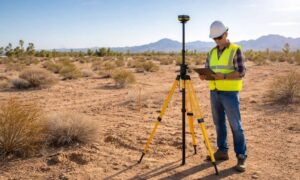
Desert environments make drone land surveying even more valuable. Unlike dense cities, desert parcels often have fewer trees and buildings. That openness allows drones to capture clear, detailed data across large areas.
At the same time, desert land often looks flat at first glance. However, small elevation changes matter a lot. A slight slope or shallow wash can affect access, drainage, and building plans. From the air, those details stand out clearly.
Bullhead City fits this pattern well. Many parcels stretch far beyond what you can see from the road. Drone surveys reveal what the ground hides, all in one view.
Better Early Visibility Means Fewer Surprises
Every land project has risks. Some show up early, while others appear too late. Traditional surveys sometimes uncover issues only after work begins. That leads to changes, added costs, and frustration.
Drone land surveying reduces that risk. By capturing the entire site early, surveyors help teams spot problems sooner. Natural drainage paths, uneven slopes, and access limits become visible right away. Because of that, project teams can adjust plans before spending time and money.
This early clarity also improves communication. Owners, designers, and builders all look at the same visual data. Instead of guessing from paper plans, they see real conditions.
Survey Crews Are Working Smarter
Surveying has changed in another way too. Crews now cover more ground than ever. Expectations have grown, but team sizes have not increased at the same pace. Because of that, efficiency matters more.
Drone land surveying helps smaller crews do more without cutting corners. Fewer long walks reduce physical strain. Shorter field time lowers exposure to extreme heat. At the same time, data quality improves because drones capture consistent coverage.
This shift does not remove human skill. Instead, it allows surveyors to focus on judgment and accuracy rather than repetitive tasks.
When Drone Land Surveying Makes the Most Sense
Not every project needs a drone. However, many benefit from one. Drone land surveying works best for large or irregular parcels, early-stage land evaluation, and sites with limited access. It also helps when teams need a fast overview before moving into detailed work.
In desert cities, those situations appear often. That is why drones are becoming a standard starting point rather than a special add-on.
What This Means for Property Owners
For property owners and developers, this shift matters. Drone land surveying reflects how land projects now move from idea to action. Those who understand this change plan better and avoid surprises.
Working with surveyors who use modern tools does not mean giving up accuracy. Instead, it means gaining speed, clarity, and confidence early in the process. In a growing desert city, those benefits matter.
A New Standard Built on Reality
Drone land surveying is not replacing traditional surveys because of hype. It is replacing older workflows because growth demands it. Desert cities like Bullhead City highlight this change clearly. Large parcels, tough terrain, and fast timelines leave little room for slow methods.
As development continues, aerial surveying will remain a key part of how land gets understood. For many projects, it is no longer optional—it is simply the smarter way to start.