
Flood insurance can feel like a financial burden, especially if you live in a high-risk area. Premiums often rise year after year, leaving homeowners with few options. One document, though, can make a real difference: the flood elevation certificate. Within the first hundred words, you now know the name of the tool that can change how insurers see your home. It doesn’t just help one family—it can also create savings for entire communities when used the right way.
Why Flood Insurance Costs Keep Rising
Flooding is the most common natural disaster in the U.S. As storms grow stronger and rainfall becomes more unpredictable, insurers raise premiums to cover the risk. Without clear data, they assume the worst. That means a homeowner who sits safely above flood levels may still be charged like they live right next to a river.
The cost isn’t small. In many towns across the South, annual premiums can hit $1,000 to $2,000. For some families, that’s the difference between staying in their home or looking for somewhere more affordable.
Enter the Flood Elevation Certificate
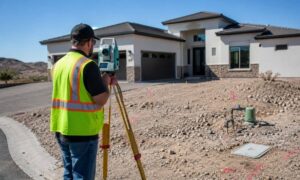
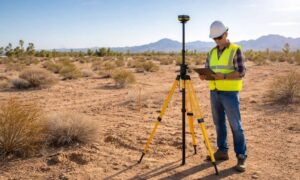
A flood elevation certificate is a surveyor-prepared document that proves how your house sits compared to FEMA’s Base Flood Elevation (BFE). Instead of guessing, insurers see exact numbers. If your lowest floor is above the BFE, you’re less likely to flood, and your premiums can drop.
It’s not just about saving money. The certificate also shows builders, city planners, and lenders that a property meets safety standards. In short, it’s proof that your home isn’t as risky as the maps may suggest.
When News Becomes a Wake-Up Call
This fall, Jefferson Parish in Louisiana announced that residents will see up to 35% discounts on their flood insurance bills. The savings came after the parish joined FEMA’s Community Rating System (CRS) and earned credits for stronger floodplain management.
At first glance, this might sound like a story that only matters in Louisiana. In reality, it’s a lesson for every high-risk community, including towns. The discounts happened because local leaders gathered accurate flood data and documented risk more carefully. Flood elevation certificates played a key role. Without them, FEMA and insurers would have continued to assume the worst—and charge higher premiums.
What Phenix City Could Learn
Phenix City, Alabama, sits right along the Chattahoochee River. Heavy rains from Georgia often flow downstream, creating sudden flood risks. The city participates in the National Flood Insurance Program (NFIP), but right now it doesn’t earn CRS discounts.
Imagine if it did. Even a small 5% community-wide discount could save local families hundreds of dollars each year. A 10% discount could double those savings. And just like in Louisiana, the foundation of that change would be more accurate elevation data.
Individual Benefits, Community Impact
For a single homeowner, the value of a flood elevation certificate is clear. It can reduce insurance rates, help with a mortgage closing, and provide peace of mind. But the bigger story lies in the collective impact.
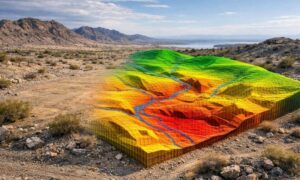
When many families order certificates, the city gains detailed data about its floodplain. That information helps officials apply for CRS participation. As the city earns credits and climbs the rating system, every resident with flood insurance benefits, even those who never ordered a certificate themselves.
This shift from individual action to community reward is powerful. It shows how one survey at a time can add up to millions in savings across a county.
Why Now Is the Time to Act
Insurance rates rarely move downward on their own. They need evidence. With storms striking harder each year, FEMA is pushing cities to document flood risk more carefully. Communities that don’t act risk being left behind, while those that gather accurate data can tap into long-term savings.
For homeowners, waiting isn’t wise. Each year without a certificate is another year of paying more than you should. For city leaders, encouraging certificates now can set the stage for CRS applications later.
Real-World Example: The $1,200 Bill

Consider a family in a high-risk zone paying $1,200 annually for flood insurance. With no certificate, insurers assume the home is at maximum risk. After ordering a flood elevation certificate, the data shows the lowest floor is three feet above the BFE. The insurer revises the premium down to $900. That’s $300 saved each year, which adds up quickly.
If Phenix City secured even a 10% CRS discount on top of that, the bill could fall further, saving another $120. Multiply that across thousands of homes, and the community impact becomes clear.
Barriers and Misconceptions
Some homeowners avoid certificates because they think the cost is too high. While a survey can run several hundred dollars, the savings often outweigh the one-time fee within a year or two.
Others believe they don’t need one unless they live right on the river. In reality, flash flooding from sudden downpours can put even inland neighborhoods at risk. Elevation data proves whether your property truly needs that high-risk label.
And perhaps the biggest myth is that only the city can drive CRS discounts. The truth is, it starts with homeowners and surveyors working together to build the database FEMA requires.
How Communities Can Encourage Action
- Awareness campaigns: Educate residents on how certificates save money.
- Partnerships: Work with local surveyors to streamline ordering and reduce costs.
- Leadership: Push city officials to explore CRS enrollment using homeowner-supplied data.
When neighbors, HOAs, and local leaders align, the result is measurable savings and stronger flood resilience.
Conclusion:
A flood elevation certificate might look like paperwork, but it holds the power to shift how entire communities pay for flood insurance. From Jefferson Parish’s 35% discount to the unrealized potential, the lesson is the same: accurate data means fairer costs.
For homeowners, the takeaway is simple. Don’t wait until your renewal notice arrives with another increase. Order a certificate, prove your risk, and save money. For communities, start thinking bigger. Each certificate is a step toward CRS participation, and that means lasting savings for everyone.