Buying a small lot can feel like a great opportunity. The price looks fair, the location works, and the land appears flat and ready to build on. At first glance, everything seems simple. However, many buyers only run into problems after they start planning their home. What seemed like an easy build can quickly lead to delays, redesigns, and added costs. In many cases, the issue comes down to drainage and that’s usually when a topographic survey starts to matter. Once you see how a topographic survey works on a property, it becomes much easier to understand what the land is actually doing.
Instead of guessing, you start to see how the ground really behaves, not just how it looks on the surface.
Why Phoenix Infill Lots Are Not Always What They Seem
Phoenix has many older neighborhoods where land has changed over time. Some lots were graded years ago, while others now carry water from nearby properties. Because of this, the way water moves across land is not always obvious.
At the same time, infill lots are often small. That means there is very little room to adjust if something goes wrong. A small slope, a hidden low spot, or a shared drainage path can affect the entire property.
So while the lot may look flat and clean, it may still have drainage patterns that impact what you can build.
What a Topographic Survey Reveals That You Can’t See
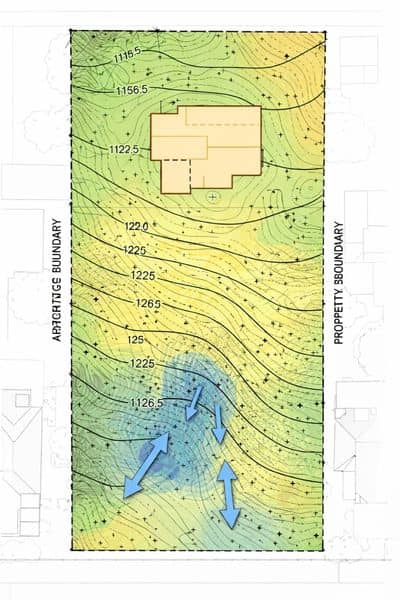
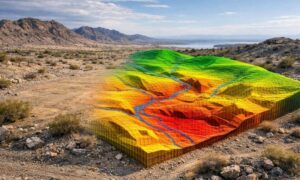
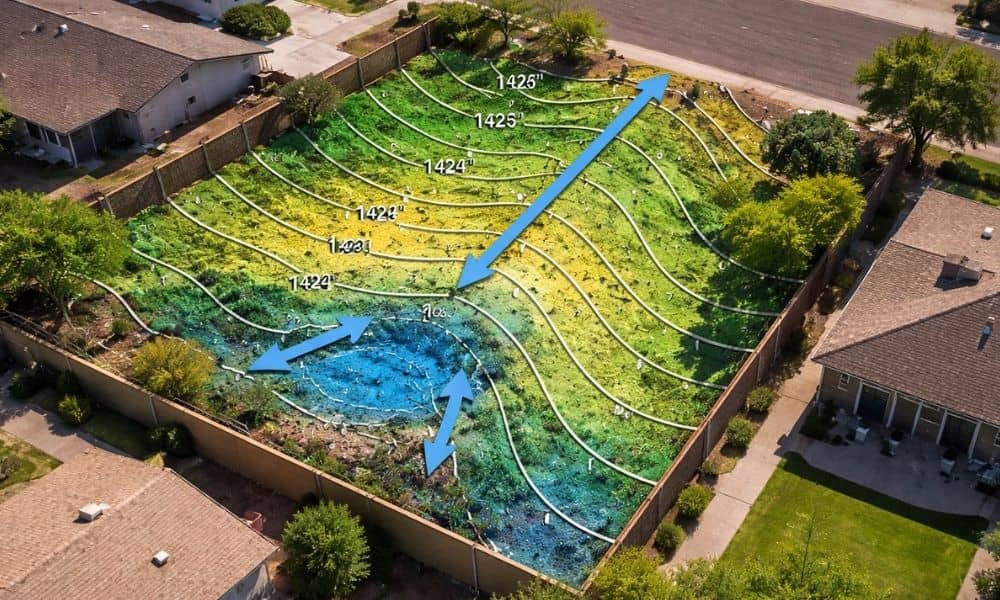
A topographic survey shows the true shape of the land. It picks up small changes in elevation that are easy to miss when you’re just looking at the lot. At first, everything might seem flat, but once you see the survey, you start to notice how the ground actually slopes.
That’s usually when it clicks. You begin to see what a topographic survey can reveal about a property, how water moves across the lot, where it slows down, and where it might collect after a storm.
Because of that, it becomes easier to spot areas that may need grading before you build. Instead of relying on what the surface looks like, you’re working with a clearer picture of how the land really behaves.
That difference matters more than most buyers expect.
How Drainage Easements Quietly Limit Your Space
One of the biggest surprises for buyers is the presence of drainage easements. These are areas where water is allowed to pass through, even if they are not obvious on the ground.
At first, this may not seem like a big issue. However, on a small lot, it can take up a large portion of usable space. You may not be able to build over it, and you may need to keep it clear so water can flow properly.
As a result, your home design may need to shift. Your layout may change, and your options may become more limited than you expected.
That’s why identifying these areas early is so important.
The Drainage Path Problem Most Buyers Overlook
Every lot needs a clear path for water to exit. In Phoenix, this usually means directing water toward a street, alley, or drainage area.
However, not all lots have a clean or working path. Sometimes the flow has been altered over time. Other times, nearby properties block or redirect water in ways that are not easy to see.
Because of this, water can end up trapped on the lot.
When that happens, your plans may not move forward. You may need to redesign the grading or add drainage solutions, which can increase both cost and time.
A topographic survey helps you understand this early. It shows where water will go and whether the lot can support proper drainage.
What Can Go Wrong Without This Step
Many buyers skip this step because the lot looks fine at first. However, problems often show up once plans are already in motion.
You may find that your house does not fit the way you expected. You may need to adjust the layout to avoid a drainage area. In some cases, you may need extra work just to make the lot usable.
Because of this, delays become more likely. Costs can rise, and the process becomes more complicated than it should be.
All of this can be avoided with better information upfront.
Why Smaller Lots Come With Bigger Risks
On a larger property, there is usually room to work around issues. You can move the structure, adjust the layout, or shift the design.
On a smaller infill lot, that flexibility is limited.
If a drainage easement runs through part of the lot, it may affect everything. If water flows across one side, that area may no longer be usable for building.
So even a small constraint can have a big impact.
That’s why understanding the land early is even more important on these types of properties.
When It Makes Sense to Get a Topographic Survey
The best time to get a topographic survey is before major decisions are made. Ideally, this happens before you purchase the lot or finalize your design.
This way, you can move forward with confidence. You know what the land allows, and you avoid making decisions based on assumptions.
It also helps your builder and designer plan more efficiently, which can save time later in the process.
Working With a Local Professional
Phoenix has its own set of conditions when it comes to drainage and land development. Because of that, local experience matters.
A professional land surveyor who understands the area can provide information that is not just accurate, but also useful for real-world planning. They know what to look for and how to present the data in a way that supports your project.
With the right guidance, you can avoid surprises and move forward with a clearer plan.
Final Thoughts
A lot can look simple on the surface. Flat ground and open space can make it feel like an easy build. However, drainage patterns and easements often tell a different story.
A topographic survey gives you a clearer view of what is really happening on the land. It helps you understand limits, spot risks, and make better decisions early on.
In the end, that clarity can save you time, reduce unexpected costs, and help you build with confidence.