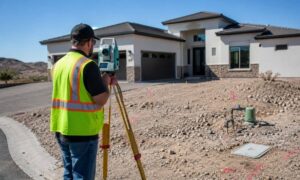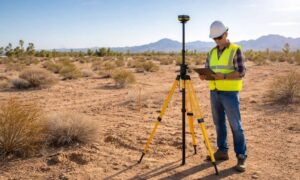
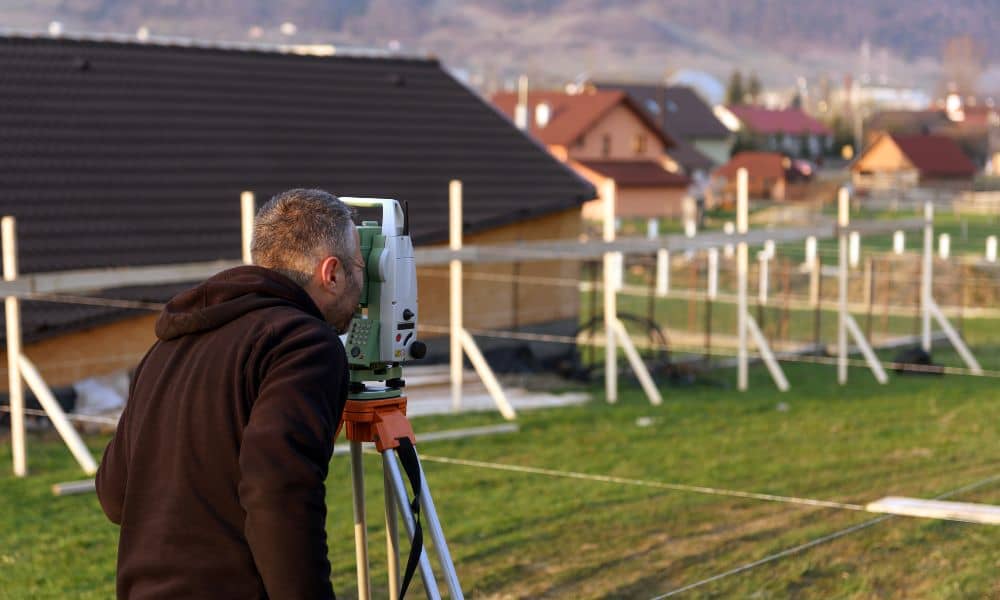
Phoenix is changing fast, and many homeowners are now thinking about adding units to their properties. Some want to split their lots, while others want to turn a single-family home into a duplex or triplex. Because of this shift, one term is becoming more important than ever: property survey. In fact, it is becoming one of the most in-demand services in the city, and for good reason.
Recently, Phoenix City Council approved a controversial “middle-housing” ordinance that allows duplexes, triplexes, and fourplexes in areas that used to be zoned for only single-family homes. This move follows a new statewide law that forces all large Arizona cities to make room for more housing. Because of this, Phoenix residents are debating density, traffic, parking, and neighborhood character. Yet many are missing the most practical piece of the puzzle—how exactly these changes affect land boundaries.
Why the New Law Changes Everything
For years, Phoenix land use rules were simple: one lot meant one home. Now, everything is shifting. Developers and homeowners can add more units, and they can do it in older areas close to Downtown Phoenix, Encanto Village, Garfield, and Willo.
However, more units on the same land means more questions:
Where does the lot actually start? Where does it end? Where can new walls, driveways, and buildings go?
This is where the demand surge begins. Every added unit creates new pressure to understand exact property lines, and that makes the property survey essential.
The Rise of Lot Splits and Re-Plat Requests
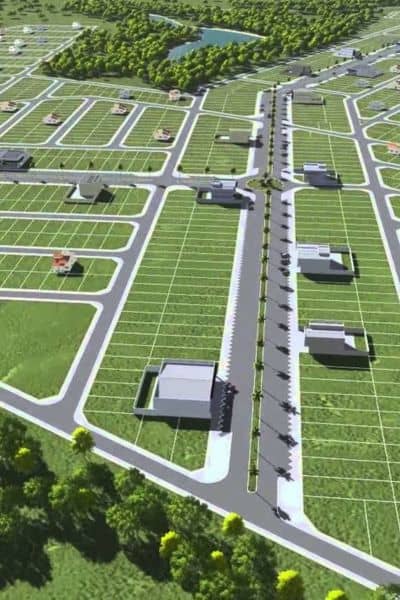
As interest grows in duplexes and triplexes, more residents are asking if they can split a single lot into two. In older communities, this is not straightforward. Many areas have outdated maps, missing markers, or unclear easements. Even slight mistakes can stall a project for months.
Because of this, land surveyors expect a wave of calls for:
- clarifying legal boundaries
- preparing new plats
- correcting old subdivision maps
- confirming right-of-way widths
- locating utility easements
Moreover, lenders and city reviewers want proof that improvements fit within approved boundaries. A verbal estimate or a DIY sketch won’t pass.
Why Historic Neighborhoods Are the Most Affected
Phoenix’s oldest neighborhoods carry the most uncertainty. Streets have changed over decades, sidewalks moved, and curb lines shifted. Old fences lean into the wrong yard. Trees and block walls follow angles that were never surveyed properly.
Homeowners argue over inches that later become feet. Many only discover the truth when they try to build something new.
In neighborhoods like Encanto and Willo, some plats date back many decades. Because of age, surveys must confirm:
- if the curb matches the lot line
- if historic setbacks override modern ones
- if underground utilities conflict with building plans
Without solid documentation, an owner risks building over the wrong line or into a protected area. The costs to fix these mistakes can be huge.
Lenders Are Tightening Requirements
Banks and title companies want protection too.
When someone finances a duplex or triplex, the lender wants to confirm:
- no encroachments
- no boundary disputes
- no illegal structures
- no easements blocking a footprint
- no access conflicts
Even when the project seems small, lenders may still ask for updated field measurements. They want to know the site is as described, and that means verifying it with a survey.
Because of this increased risk, lenders are pushing for clear documentation before construction money is released.
Why a Property Survey Helps Avoid Costly Delays
Developers and homeowners often learn this lesson the hard way: the earlier a survey is done, the smoother the project runs.
A property survey helps in four major ways, especially in redevelopment areas:
1) It shows the true legal boundaries. What you see is not always what you own.
2) It confirms setbacks and no-build zones. You prevent future violations.
3) It documents encroachments before they become problems. Better to solve issues early than argue later.
4) It clears confusion between neighbors. Clear lines avoid anger, lawsuits, and construction fights.
Many residents spend more fixing mistakes than they would have spent hiring a surveyor early.
How It Impacts Construction Planning
Once a project begins, every inch matters. Contractors need precise markers to know where foundations, walls, and driveways belong. They also depend on accurate elevation measurements to fix drainage and grading issues.
With new middle-housing rules, space is tighter than ever. Two extra units might leave only a few feet between structures. An incorrect guess could lead to tearing down work you already paid for.
When the survey is done early, design teams can plan confidently. They avoid surprise changes during permitting, and that saves time and money.
Homeowners Can Avoid a Major Surprise
Many people assume their fences mark the property line. In older neighborhoods, this is rarely true. Fences drift. Walls bend. Trees shift boundaries visually even though legally nothing has changed.
If a duplex or triplex is built based on a guess, the homeowner could later learn that:
- a wall sits over the limit
- a driveway crosses a setback
- a neighbor owns part of the yard
- city approval was based on wrong information
Once construction is complete, fixing the situation becomes painful. And expensive.
When To Get a Survey
Ideally, before:
- ordering architectural plans
- applying for permits
- splitting the lot
- talking to the bank
- staging construction
However, many homeowners do the opposite. They plan first, survey later.
This leads to rework, delays, legal issues, and frustration. Getting the survey first is always cheaper than correcting a mistake later.
Phoenix Is Growing — Fast
The new ordinance will change the layout of neighborhoods. More homeowners will redevelop old properties. More investors will purchase single lots and turn them into multi-unit rentals. More projects will compete for limited space.
Because of all this, the number of people needing a property survey will climb sharply.
City Hall is preparing. Surveyors are preparing. The smart homeowners are preparing too.
Final Thoughts
Change is exciting, but it comes with real challenges. Phoenix is entering a new era of housing growth, and smart planning will make the difference between smooth projects and painful ones.
If you are considering a duplex, triplex, or lot split, take the cautious step first. Order a property survey early. You’ll protect your investment, avoid disputes, and start your project with clarity.
A small cost today prevents major problems tomorrow.