
If you’re buying, refinancing, or developing commercial property, something important just changed. In February 2026, new national standards took effect for commercial property surveys. Because of that, the way a land survey gets prepared for many commercial deals now follows updated rules.
At first, this may sound technical. However, the impact is very real. If you’re under contract, applying for a loan, or planning to build, this change can affect your timeline and closing. So let’s explain what changed and why it matters here in Bullhead City.
A National Change That Affects Local Projects
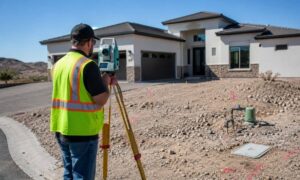
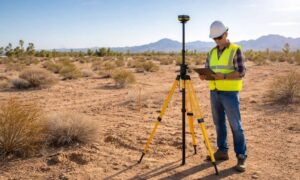
Many commercial real estate deals require a detailed land survey. Lenders depend on it. Title companies review it. Developers use it to plan construction. Since so many people rely on this document, it must follow clear standards.
In February 2026, the updated standards replaced the older version. From that point on, new commercial survey contracts must follow the revised rules.
Now, the land did not change. Property lines in Bullhead City did not move. However, the way surveyors write reports, certify documents, and list optional items did change.
Because of that, surveyors across Arizona updated their templates and processes. So while the property stayed the same, the paperwork improved.
Why This Matters to Commercial Property Owners
You may wonder why this update affects you. The reason is simple: commercial deals move fast, and every document must be correct.
Most lenders require a compliant land survey before they release loan funds. If the survey refers to outdated standards, the lender may reject it. That can delay your closing.
At the same time, title companies compare the land survey with the title report. They check easements, access, and improvements. If something does not match current requirements, they may ask for changes.
Therefore, starting with the correct version saves time and stress.
Clear Scope Is More Important Than Ever
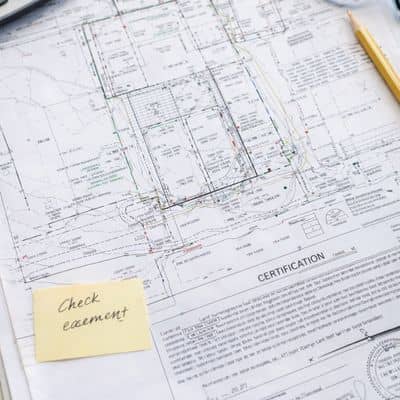
Many buyers ask for a “standard ALTA plus topo plus utilities.” However, those services are not all the same.
A commercial land survey may include:
- Boundary verification
- Easement mapping
- Building measurements
- Parking counts
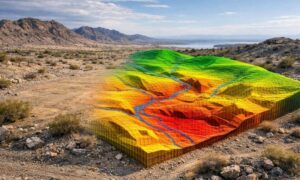
- Topographic details
- Utility information
Under the updated standards, the scope must be clearly defined from the beginning. If it is not, changes may be needed later. That can slow down your project.
Because of that, clear communication between you and your surveyor matters more than ever.
Bullhead City Has Its Own Challenges
Bullhead City may look simple on a map. Wide desert land can seem easy to measure. However, commercial property here often has complex records.
For example, parcels along Highway 95 may involve right-of-way issues. Properties near the Colorado River may raise access or floodplain questions. Older subdivisions may contain easements that do not show clearly at first glance.
As a result, a thorough land survey must carefully review recorded documents and site conditions. With the updated standards, surveyors now document these items in a clearer and more organized way.
That clarity helps protect buyers and lenders.
How the Update Helps You
Even though change can feel inconvenient, this update brings benefits.
First, it reduces confusion. Clear rules mean fewer gray areas.
Second, it creates consistency. Lenders and title companies know what to expect.
Finally, it offers better protection after closing. If questions arise about access or boundaries, a well-prepared land survey provides strong documentation.
In short, the updated standards improve transparency and lower risk.
What You Should Do Next
If you plan to buy or refinance commercial property, take a simple step first. Confirm that your surveyor follows the 2026 standards.
Next, speak with your lender and title company early. Ask if they require specific certification wording.
Most importantly, explain your plans clearly. If you want to develop the property, expand parking, or change access, say so at the start. A land survey supports planning, not just closing.
When everyone communicates early, the updated standards work in your favor.
Growth Makes Accuracy Even More Important
Bullhead City continues to grow along major roads and near the river. As development increases, accurate documentation becomes even more important.
A properly prepared land survey supports zoning approval, loan funding, construction planning, and long-term property value. Because the standards just changed, now is the right time to make sure your project aligns with the new rules.
Planning ahead prevents delays.
Final Thoughts
Every commercial land survey just got updated because national standards changed in February 2026. While the property lines stayed the same, the documentation rules improved.
If you’re buying, refinancing, or developing commercial property, make sure your survey follows the current standards. Clarify the scope. Coordinate with your lender early. Work with professionals who understand both national rules and local conditions.
When handled correctly, a land survey protects your investment and keeps your project moving forward.