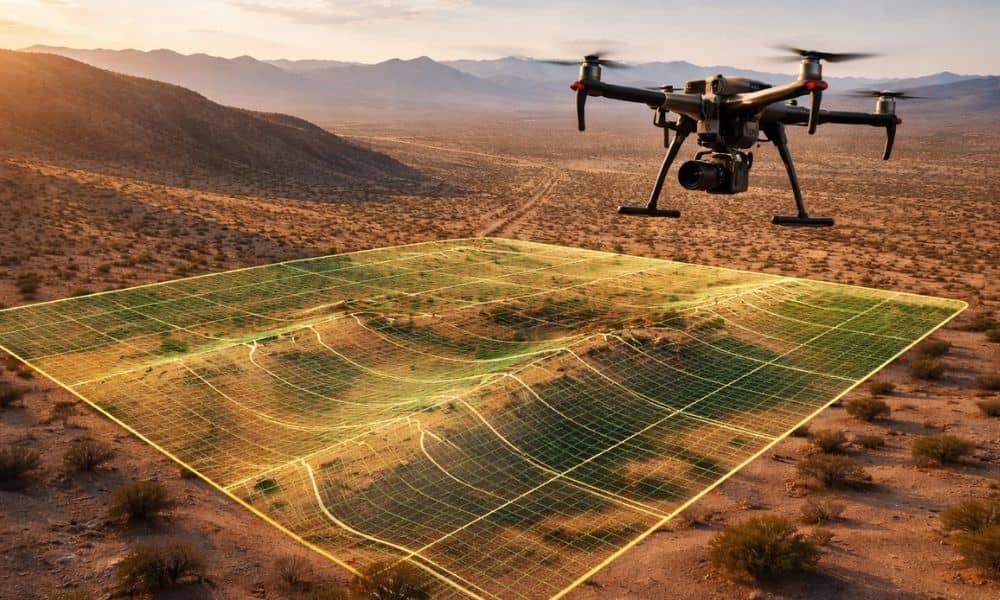
Mohave County has a lot of open land. In fact, many properties around Kingman, Golden Valley, and the surrounding desert cover dozens—or even hundreds—of acres. Because of that, understanding the full layout of a property can be difficult. Landowners often want to see what their land looks like before making big decisions. This is where drone surveying is starting to make a real difference.
Instead of trying to understand a large property piece by piece, surveyors can now capture a full view of the land from above. Many landowners now turn to professional drone surveying services to get a clearer picture of their property before planning a project or making a purchase. As a result, property owners, developers, and investors gain a better understanding of what they are working with. This new approach helps people plan better and avoid surprises later.
Why Large Parcels Are Common in Mohave County
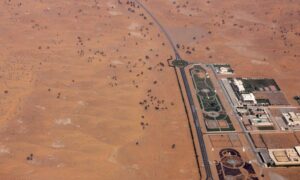
First, it helps to understand the land itself. Mohave County sits in a wide desert region of northwest Arizona. Because the area developed later than many cities, many properties remain large. Some parcels stretch far beyond what you can see from the road.
Many landowners use these large parcels for different purposes. For example, some buyers purchase rural land for homes with extra space. Others buy property for ranches, solar projects, or future development. In addition, investors often look at Mohave County because the land sits between Phoenix, Las Vegas, and Southern California.
However, these large properties also create a challenge. When a parcel covers fifty or even two hundred acres, it becomes difficult to understand the terrain by walking it alone. Even experienced crews can only see small sections at a time.
Because of this, many surveyors now use drone surveying for large properties, which helps them capture the entire landscape and show landowners how the terrain connects across the parcel.
The Challenge of Mapping Very Large Properties
Large parcels bring several problems for land mapping. First, the terrain often changes across the property. What looks flat from a distance may hide small slopes, washes, or uneven ground.
Second, many rural parcels lack clear access roads. Crews may need to hike long distances just to reach certain areas of the site. In some cases, rocky ground or desert plants slow the process even more.
Another issue comes from visibility. When surveyors work only from the ground, they see the property in small pieces. They may understand one section well but still lack a full view of how the entire site connects.
Because of these challenges, early planning sometimes happens with limited information. That uncertainty can lead to changes later when teams discover details they did not notice at first.
How Drone Surveying Creates a Full View of the Land
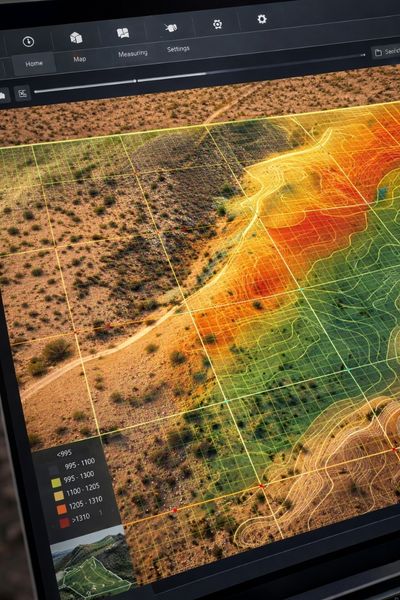
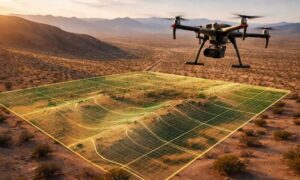
Today, surveyors solve this problem by using drone surveying. Instead of looking at the land from ground level only, drones fly above the property and capture detailed aerial images.
During a flight, the drone takes hundreds of photos from different angles. Next, mapping software combines those images into a large aerial map of the entire parcel. This process creates what surveyors call an orthomosaic image. The result shows the property as one clear, detailed picture.
Because the images overlap, the software also builds terrain models. These models show elevation changes across the land. Even small slopes or shallow washes become easier to see.
As a result, surveyors gain a complete view of the property much earlier in the process. Property owners benefit as well because they can see their land in a simple visual format.
When Property Owners Benefit From Drone Surveying
Many people assume drone surveys only help large construction projects. However, drone surveying also helps everyday property owners across Mohave County.
For example, someone buying rural land may want to understand the layout before making an offer. Aerial maps reveal features that may not appear from the road. Buyers can see slopes, washes, and natural paths across the property.
In addition, investors often review multiple parcels before choosing one. Drone mapping helps them compare land more easily because they can study the entire site at once.
Large residential developments also benefit from aerial data. When planners review a large tract, they want to understand how the land flows from one area to another. Drone images make these patterns easier to spot.
Energy projects also rely on this information. Solar developments often require hundreds of acres. Before any design begins, teams must understand how the terrain changes across the site. Aerial mapping provides that early visibility.
Because of these benefits, drone surveys have become more common across rural Arizona.
Seeing Terrain Patterns Across Large Acreage
One of the biggest advantages of drone surveying comes from the ability to see patterns across the land. From ground level, many terrain features remain hard to notice. Yet from above, they become clear.
For instance, natural drainage paths often cut across desert properties. During heavy rain, water follows these paths and collects in low areas. From the air, these patterns stand out clearly.
Surveyors also identify gentle slopes that influence access roads or building locations. Even a small change in elevation can affect how land gets used.
Furthermore, aerial maps reveal how different sections of a property connect. Owners can see natural corridors that work well for roads, utilities, or future development.
Because teams understand the land earlier, they can plan with more confidence.
Licensed Surveyors Still Guide the Process
Even though drones collect a lot of data, technology alone does not replace professional expertise. A licensed land surveyor still leads the project and verifies the results.
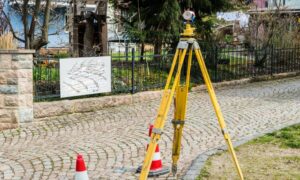
Surveyors place control points on the ground to align the aerial data with real-world coordinates. They also review the mapping results carefully before using them for planning.
In addition, legal boundary work still requires traditional surveying methods. Drone images help surveyors understand the terrain, but professionals must confirm property corners and legal lines on the ground.
Because of this oversight, clients receive accurate information they can trust.
Why Mohave County Is Ideal for Drone Surveying
Mohave County offers the perfect conditions for aerial mapping. First, the region contains wide-open land with fewer trees and buildings than many cities. This allows drones to capture clear images across large areas.
Second, parcels often stretch across remote terrain where ground access remains limited. Drones can reach these areas quickly without requiring long hikes across the site.
Finally, interest in rural land continues to grow in northwest Arizona. As more buyers explore large-acreage properties, clear land data becomes more valuable.
Because of these factors, drone surveying continues to expand across the county.
A Clearer Way to Understand Large Properties
Large-acreage land always presents challenges. When parcels cover dozens or hundreds of acres, it becomes difficult to see the full picture from the ground alone. However, modern tools now help surveyors capture that view faster and more clearly.
Through drone surveying, surveyors map large properties from above and create detailed images of the terrain. These aerial views help property owners, developers, and investors understand their land before making important decisions.
In a place like Mohave County, where wide-open land remains common, this technology provides a powerful advantage. With better visibility comes better planning—and fewer surprises down the road.